
Industrial Pleated Filter Cartridges for Critical Filtration
When your process demands consistent fluid quality, standard filters often fall short. Our pleated cartridges are engineered to capture more contaminants and last longer, keeping your lines running smoothly.
High Dirt-Holding Capacity
The pleated design maximizes surface area, meaning fewer change-outs and less downtime for your operators.
Strict Absolute Ratings
Reliable particle removal so you know exactly what size of contaminant is being stopped before it ruins your downstream equipment.
Broad Chemical Resistance
Manufactured without glues or binders to
Industrial Pleated Filter Cartridges by Media Type
Engineered for absolute precision, high flow rates, and extended operational lifespan across diverse industrial applications.
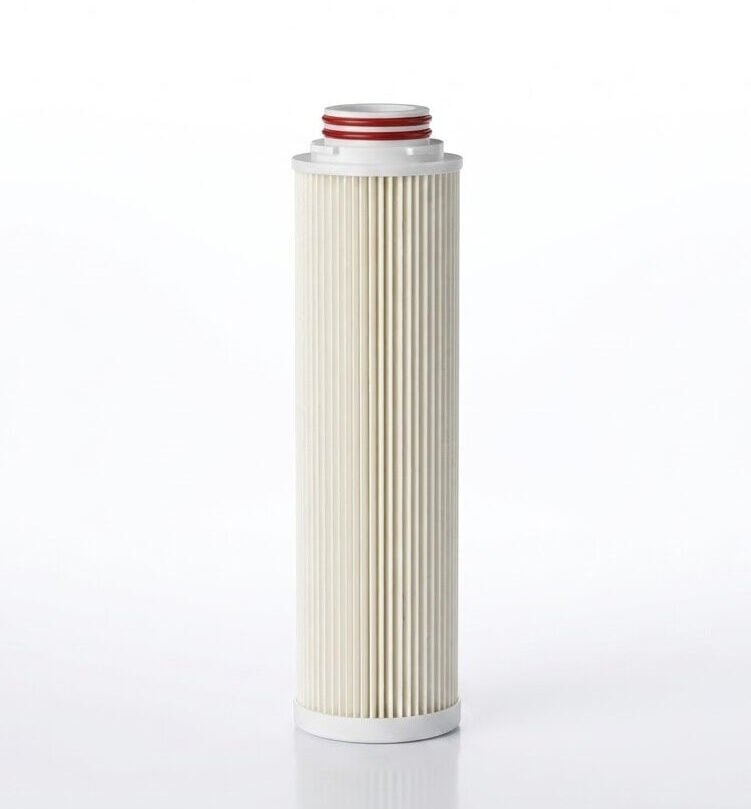
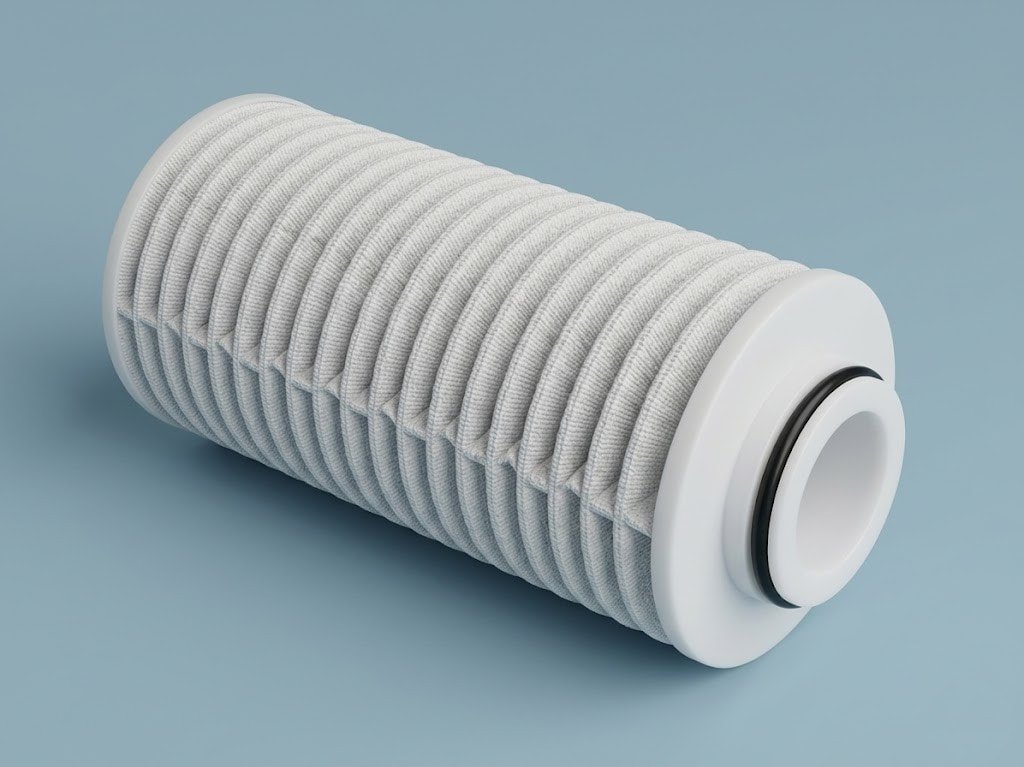
Polypropylene (PP) Pleated Cartridges
The industry standard for general liquid processing. Constructed from 100% pure polypropylene with thermal bonded seams, offering broad chemical resistance and low extractables for water and standard chemical filtration.
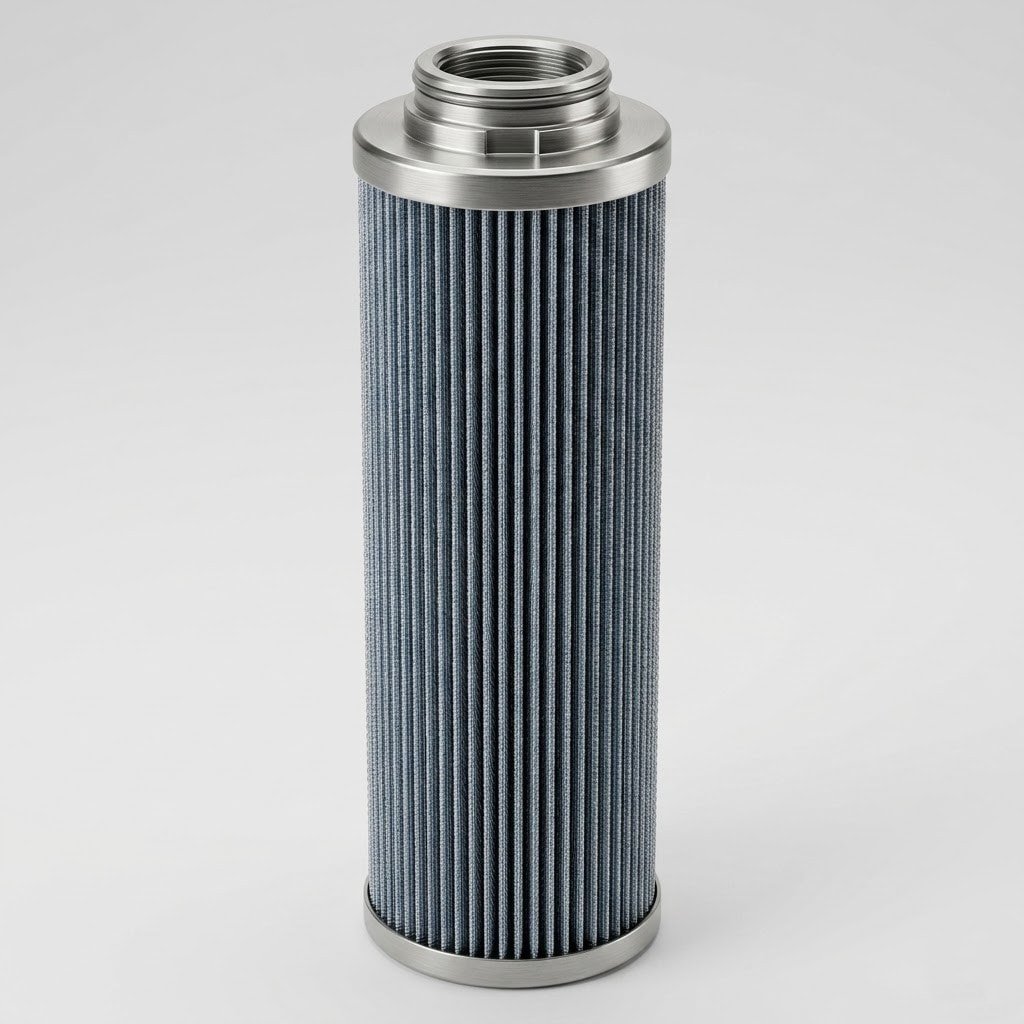
PES & PTFE Membrane Cartridges
Engineered for absolute-rated microfiltration and strict sterile requirements. PES provides high flow rates for aqueous solutions, while PTFE offers extreme chemical inertness for aggressive solvents and gas venting.
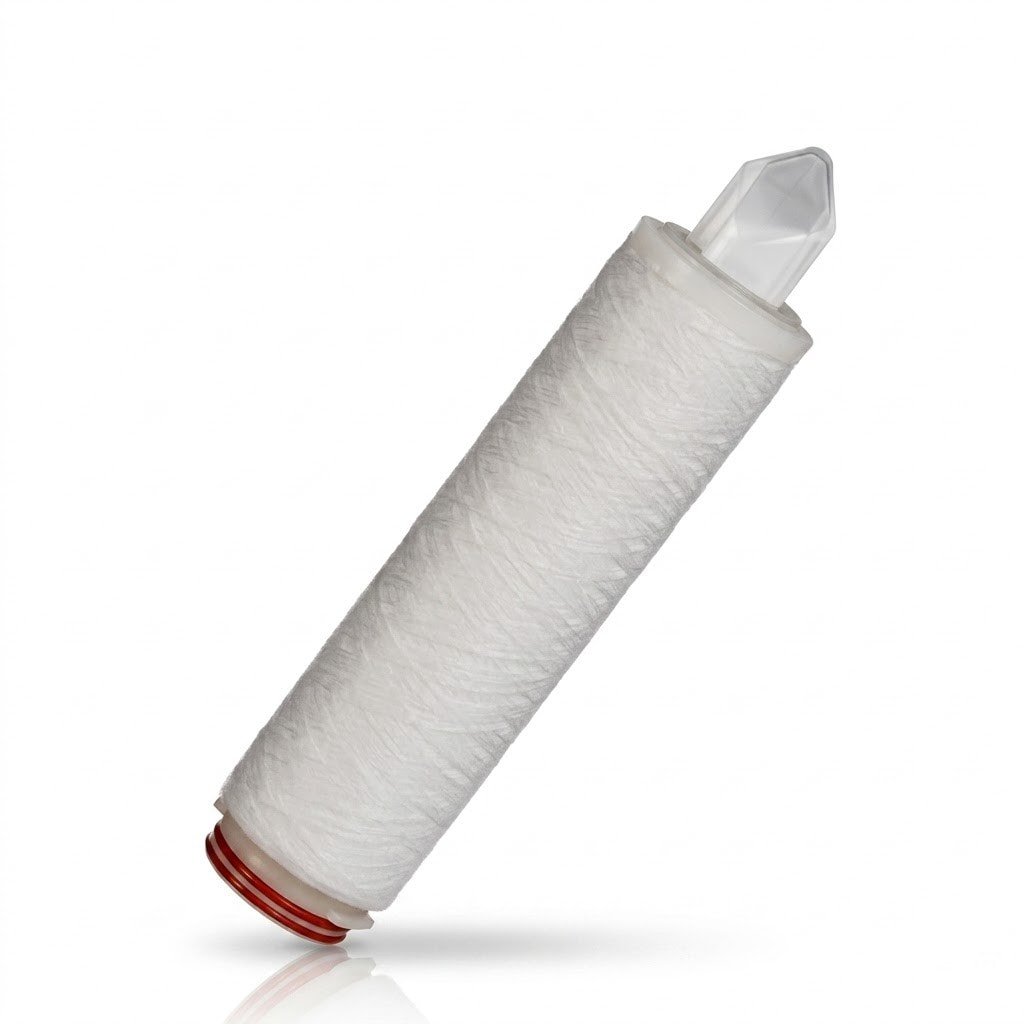
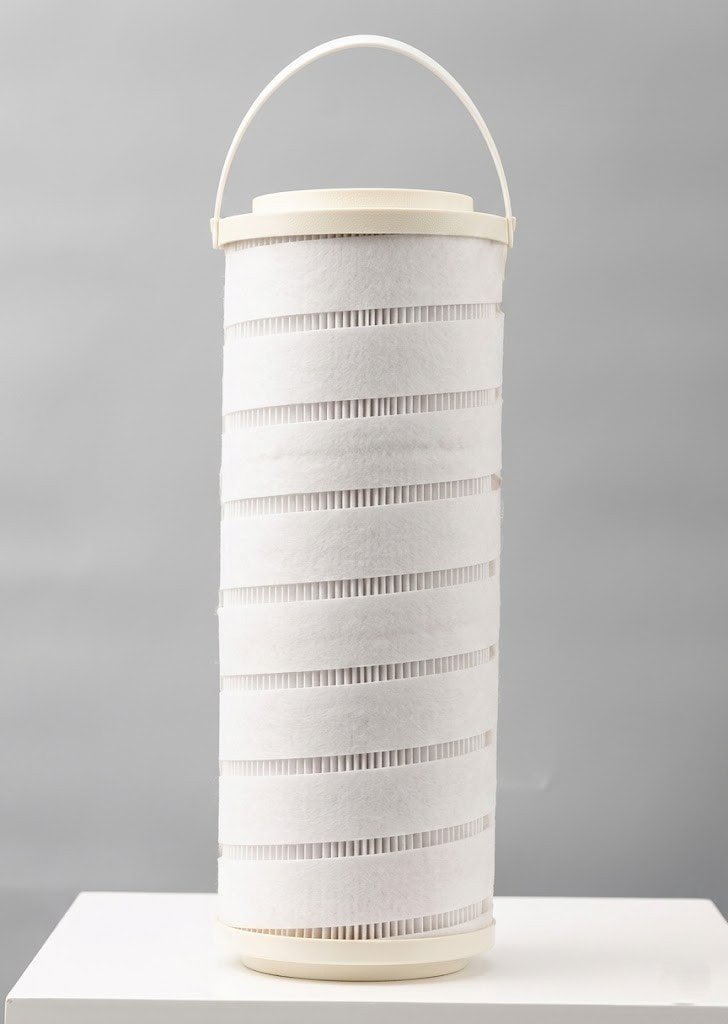
Microglass Fiber Pleated Filters
Built with borosilicate glass microfiber media to provide exceptional dirt-holding capacity. Ideal for viscous fluids, lubricating oils, and applications requiring the removal of colloidal gels that would blind standard PP filters.
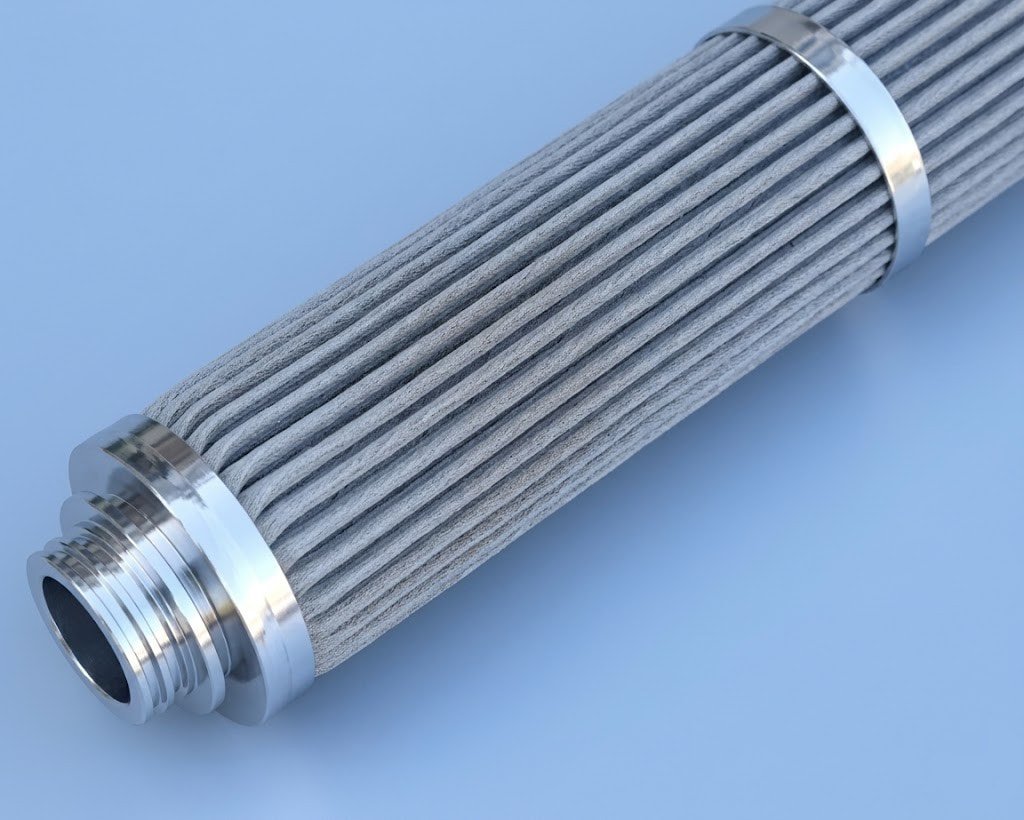
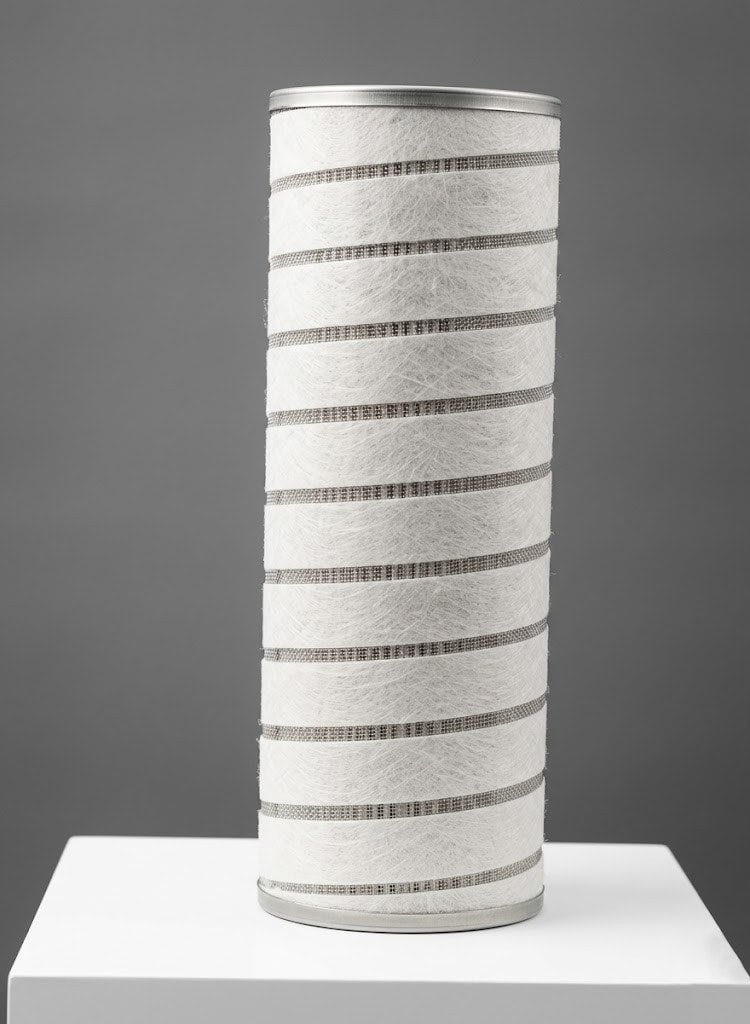
Stainless Steel Pleated Elements
Designed for extreme operational environments. Featuring 304 or 316L pleated wire mesh, these cartridges withstand high temperatures, aggressive corrosive fluids, and can be back-washed for extended service life.
Engineering Benefits of Our Pleated Filter Cartridges
We focus on the mechanical details that matter on the factory floor: fluid flow, filter lifespan, and structural integrity under pressure.
Maximized Surface Area
Frequent filter changeouts.
More media area significantly lowers the initial flow resistance and extends the filter's service life.
Consistent Micron Accuracy
Inconsistent filtrate quality.
We deliver absolute-rated filtration, preventing unexpected particle bypass that can compromise your product quality.
Broad Compatibility
Filter degradation in harsh fluids.
Manufactured using 100% pure PP or PES media, offering extensive chemical compatibility.
Thermal Welding Construction
Fluid contamination from adhesives.
All components are heat-fused. Without adhesives, there is no risk of chemical degradation or fluid contamination.
Standard Specs and Fittings for Pleated Filter Cartridges
Integration should be hassle-free. Review our standard dimensions and connections below to find the direct drop-in replacement for your current housings.
Available Configurations
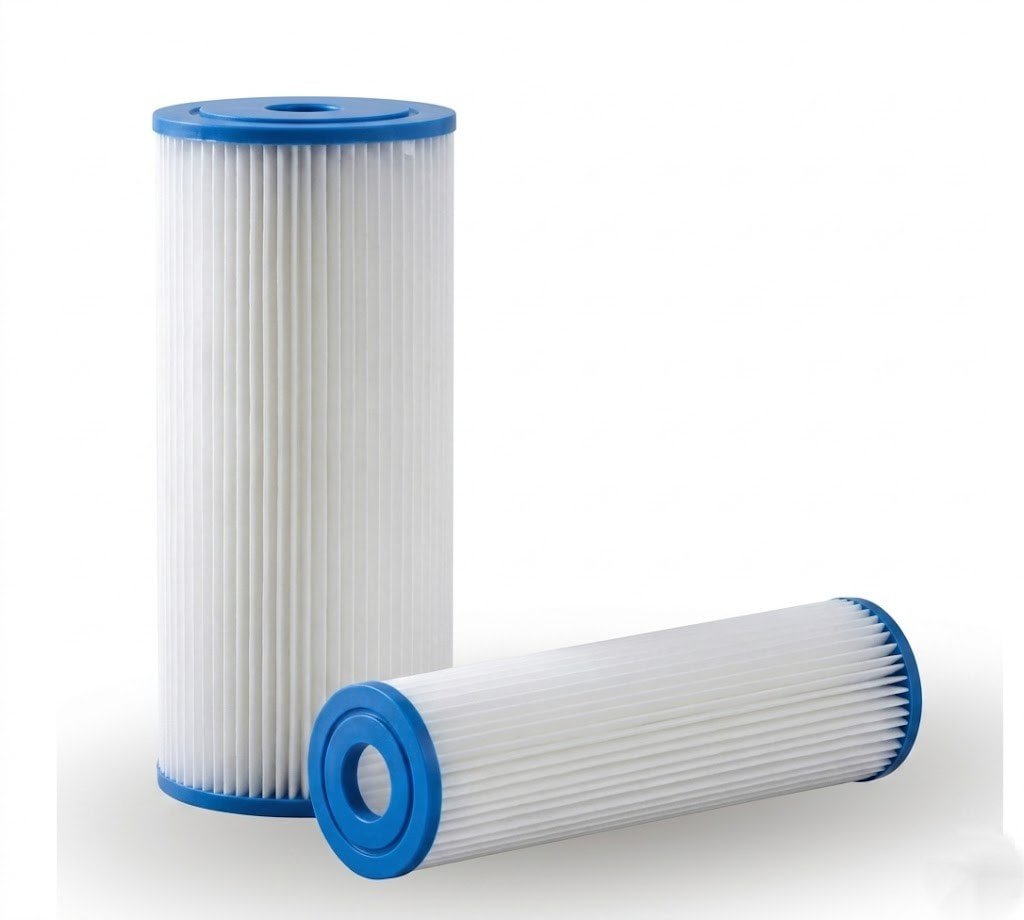
DOE
Double Open End
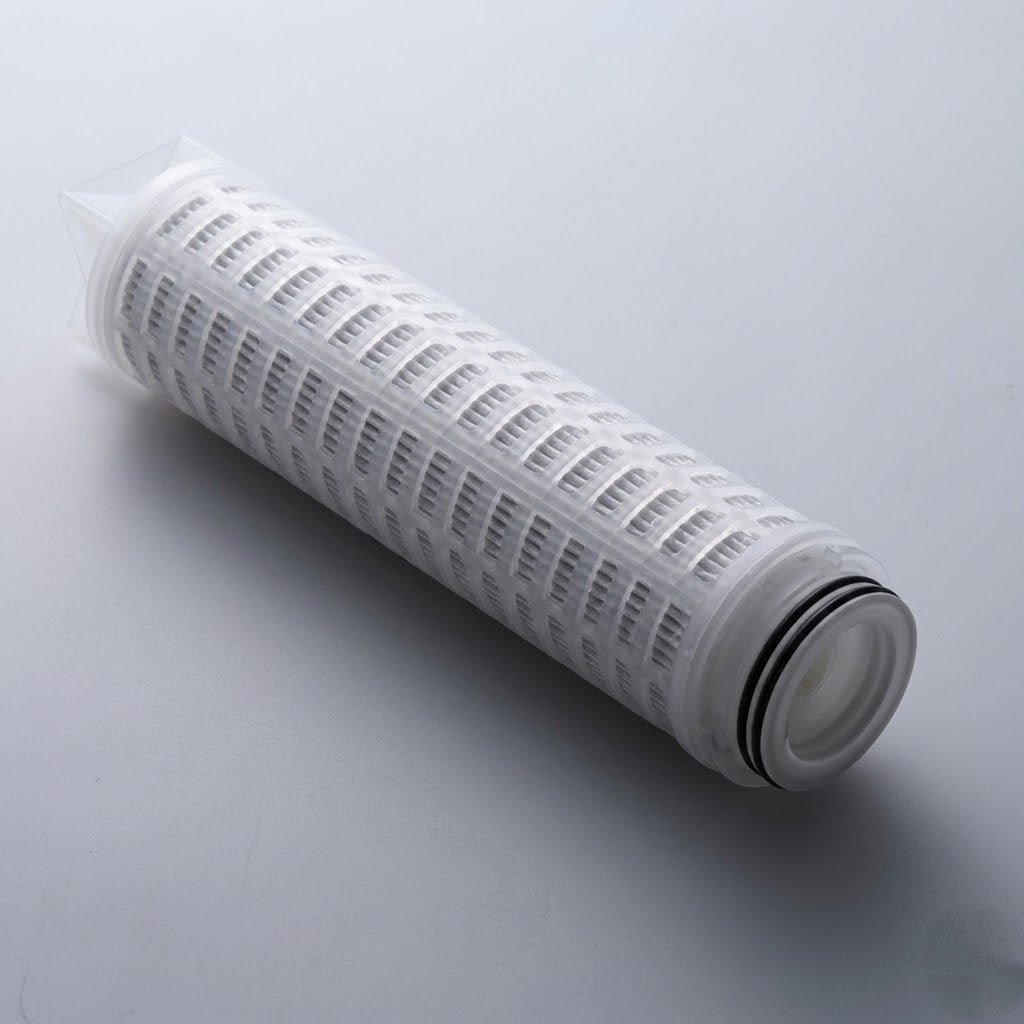
222 / Flat
Single Open End, 2 O-Rings
222 / Fin
Single Open End with Fin
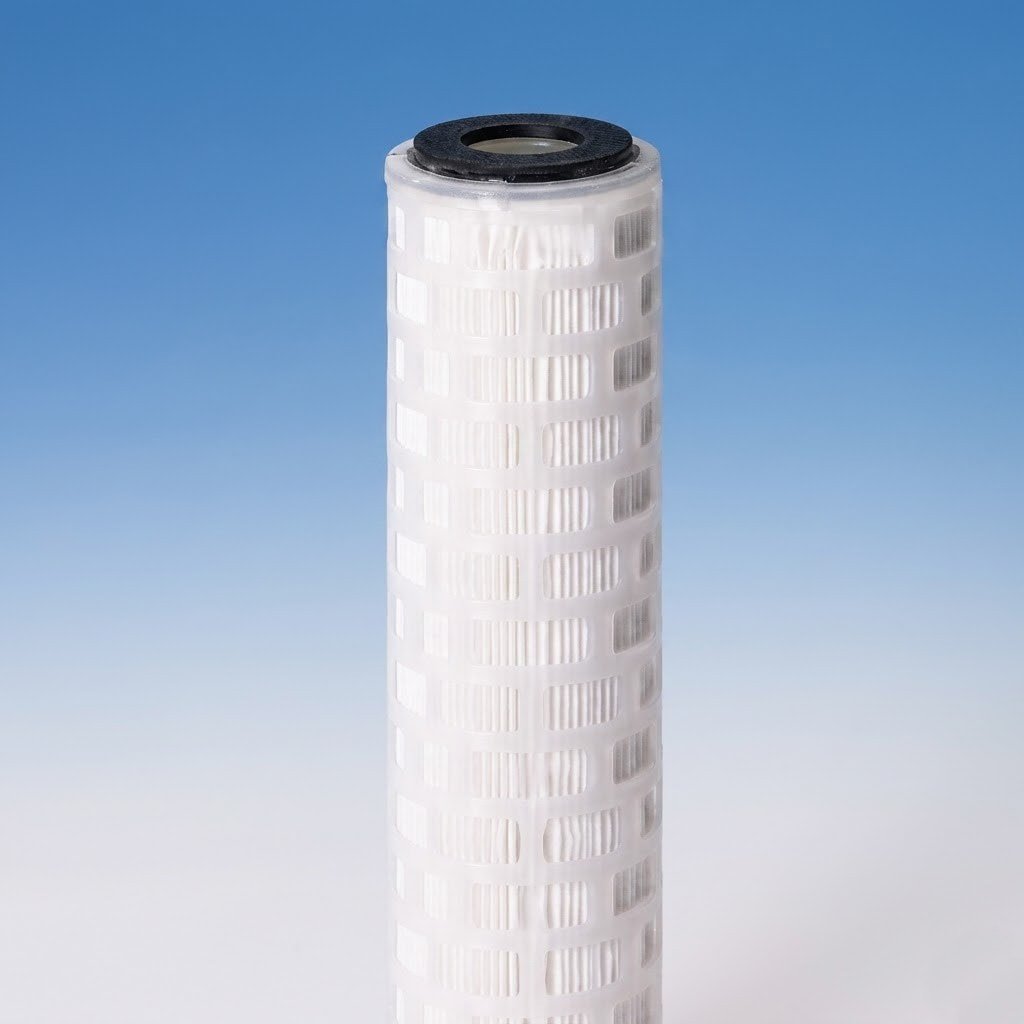
226 / Fin
Locking Tabs & 2 O-Rings
Technical Parameters
| Parameter | Specification Range |
|---|---|
| Micron Ratings | 0.1μm, 0.22μm, 0.45μm, 1μm, 3μm, 5μm, 10μm, 20μm, 50μm |
| Lengths | 10", 20", 30", 40" (Custom lengths available upon request) |
| Filter Media Options | Polypropylene (PP), Polyethersulfone (PES), PTFE, Microglass |
| Max Operating Temp | 80°C (PP), up to 120°C (Glass fiber/PTFE with SS core) |
| Max Differential Pressure | 4.0 bar @ 21°C ; 2.4 bar @ 65°C |
| Recommended Change-out DP | 2.0 bar (29 psi) |
Proven Field Applications for Pleated Filter Cartridges From protecting sensitive membranes to clarifying food-grade liquids, these filters are deployed where fluid purity directly impacts your bottom line.

RO Pre-Filtration
Shields expensive Reverse Osmosis membranes from silt and particulates, extending their lifespan and saving replacement costs.
Food & Beverage
Uses FDA-compliant materials for the safe clarification of bottled water, juices, and brewing processes.
Pharmaceuticals
Supports strict filtration needs with robust, chemically inert media.
Chemical Processing
Handles aggressive solvents and supports strict filtration needs with robust, chemically inert media.
Why Pleated Filter Cartridges Outperform Standard Depth Filters
Choosing the right filter geometry changes your operational costs. Here is a direct comparison of how pleated structures handle flow and dirt better than traditional spun or wound filters.
| Performance Metric | Pleated Cartridge | Meltblown (Spun) | String Wound |
|---|---|---|---|
| Initial Pressure Drop (ΔP) | Very Low | Moderate | Moderate to High |
| Dirt Holding Capacity | High (Expanded Surface) | Moderate (Depth) | High (Prone to unloading) |
| Filtration Accuracy | Absolute (Up to 99.98%) | Nominal (80-90%) | Nominal (Loosely defined) |
| Applicable Viscosity | Low to Medium (< 500 cps) | Low (< 100 cps) | Medium to High (Up to 4000 cps) |
| Ideal Engineering Scenario | High-Flow, Critical Precision | General Pre-Filtration | High-Viscosity, Heavy Particulate |
The Structural Advantage of Pleated Geometry
Lower Initial Pressure Drop: The high surface area allows fluid to pass easily, reducing the energy load on your pumps.
Higher Dirt Capacity: Instead of plugging up quickly on the surface, the V-shape pleats distribute the dirt load evenly across the media.
Ideal for Precision Flow: Perfect for critical precision applications where you need high throughput without sacrificing micron accuracy.
Media Selection and Compatibility for Pleated Filter Cartridges
Matching the filter material to your chemical process is non-negotiable. Use this reference to prevent media swelling, structural breakdown, and costly bypass leaks.
| Material Type | Strong Acids | Strong Bases | Organic Solvents | Engineering Notes |
|---|---|---|---|---|
| Filter Media | ||||
| PP (Polypropylene) | Excellent | Excellent | Limited | Your reliable, cost-effective choice for general water and mild chemical filtration. |
| PTFE (Teflon) | Excellent | Excellent | Excellent | Specify these for highly aggressive acids, bases, or applications requiring strict sterility and low pressure drops. |
| PES (Polyethersulfone) | Not Recommended | Good | Limited | Specify these for highly aggressive acids, bases, or applications requiring strict sterility and low pressure drops. |
| Nylon | Not Recommended | Excellent | Excellent | Ideal for alkaline solutions and broad range of solvents. |
| Glass Fiber | Good | Not Recommended | Excellent | Avoid Hydrofluoric acid (HF) and strong hot alkalis. |
| O-Rings & Sealing Elastomers Selecting the correct O-ring (like Silicone, FKM, or EPDM) is critical to prevent fluid bypass at the connection points. | ||||
| Silicone | Limited | Limited | Not Recommended | Standard for high-temp air/water. Poor chemical resistance. |
| FKM (Viton™) | Excellent | Not Recommended | Good | Exceptional for oils and acids. Fails in ketones (Acetone) and amines. |
| EPDM | Good | Excellent | Limited | Excellent for polar solvents (Alcohols/Ketones). Do not use with petroleum oils. |
Operational Guidelines
Compatibility ratings are based on ambient temperature exposures (20°C / 68°F). When specifying filtration systems, engineers must account for the following operational variables:
-
Temperature Derating Elevated temperatures exponentially accelerate chemical attack. A material rated "Excellent" at ambient may fail rapidly at 80°C. Always verify thermal compatibility curves.
-
Elastomer Swelling Even minor absorption of organic solvents can cause O-rings to swell, leading to extrusion failure or cartridge bypass. EPDM and FKM must be strictly matched to solvent polarity.
-
Concentration & Exposure Duration Trace amounts of aggressive chemicals in a primary fluid flow can accumulate over time. Batch processing versus continuous flow requires different safety margins.
-
Mixed Chemical Streams Cocktails of acids and solvents cannot be evaluated by single-chemical data. Empirical soak testing is mandatory for complex industrial fluid streams.
Request Compatibility Analysis
Submit your process parameters. Our engineering team will recommend the optimal media and seal configuration.
Direct Engineering Contact:
Annie.chen@clearfilterpro.com
+86 13538992575
Manufacturing Process of Our Pleated Filter Cartridges
We don't just pack media into a cage. We control the pleat geometry to ensure every square inch is actively filtering, rather than pinching off and creating dead zones.
Inside the Lab
Data-Driven Manufacturing Protocol
Engineer's Perspective
System Optimization Team
When you're buying industrial filters at scale, you don't just want a frame that looks solid—you need predictable fluid dynamics. We focus intensely on media geometry and seal integrity because that's where the battle against pressure drop and bypass leaks is actually won. Let's break down the mechanics of why our construction methods directly impact your operational costs.
Or call direct: +86 13538992575
01 Optimized Pleat Spacing
We maintain exact gaps between pleats so fluid flows uniformly, preventing localized clogging.
02 Eliminating Bypass Risks
Precise thermal sealing of the end caps guarantees that dirty fluid cannot slip past the filter media.
03 High-Velocity Integrity
Sturdy inner cores and outer cages prevent the filter from collapsing during pressure spikes or high flow rates.
Customizing Pleated Filter Cartridges for Your Facility
Standard catalogs don't always fit specific engineering challenges. If you have unique flow rates or housing constraints, our technical team can build exactly what you need.
Material Specification
We adapt the media (PP, PTFE, PES) and core materials based on your specific temperature and chemical thresholds.
Rapid Prototyping
From initial CAD drawings to physical prototypes, we validate the design before moving to full-scale manufacturing.
Scalable Production
Once the custom design is verified on your end, our facility handles standardized mass production to keep your supply chain steady.
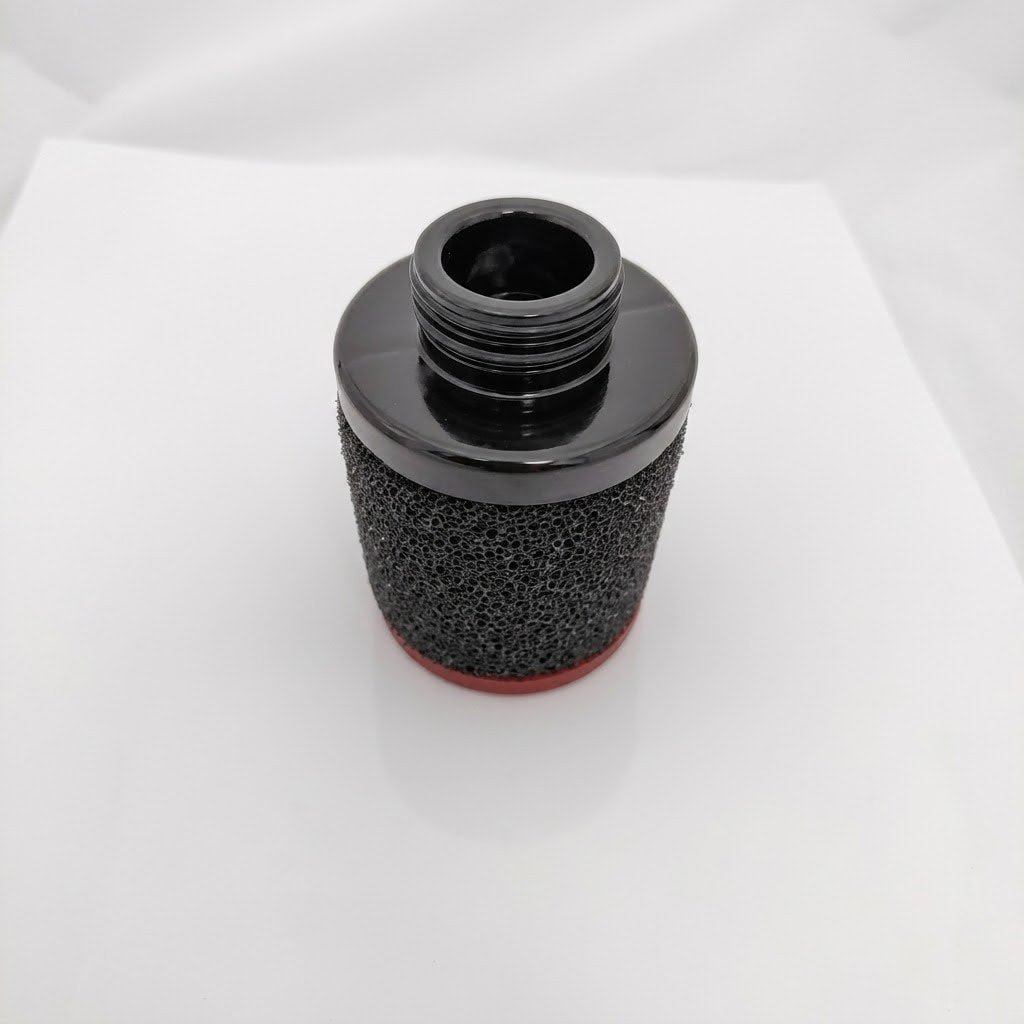
Validation Phase
Physical validation of custom pleated structures prior to mass manufacturing.
Quality Testing for Reliable Pleated Filter Cartridges
In critical processes, a single filter failure can ruin an entire batch. We rely on strict physical testing, not just visual checks, to guarantee performance.
100% Integrity Testing
Every absolute-rated filter must pass rigorous forward flow and bubble point tests before it leaves the plant.
Cleanroom Assembly
Manufactured and packaged in controlled environments to prevent secondary contamination before you even open the box.
ISO & FDA Compliance
Media manufactured according to FDA Title 21 CFR regulations; our facility operates strictly under ISO 9001:2015 quality management.
Destructive Burst Tests
We regularly subject batch samples to extreme pressure to verify structural strength and thermal weld integrity.
Engineering Data Fact
"A typical 10-inch ClearFilter pleated cartridge holds up to 30% more dirt than standard melt-blown filters, directly translating to fewer change-outs and lower maintenance downtime."
Troubleshooting Guide for Pleated Filter Cartridges
Knowing how to read your system's pressure and flow can save you from unexpected shutdowns. Here is how to diagnose common filtration issues on the floor.
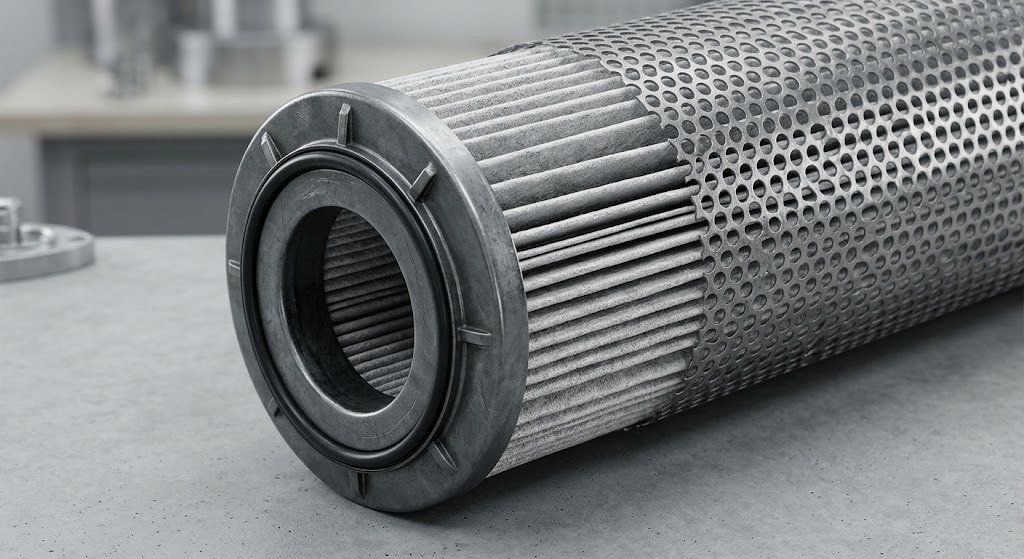
Monitor Pressure Drop (ΔP)
Operating beyond the recommended pressure threshold crushes the filter. Swap filters before reaching the critical limit.
Sudden Pressure Spikes
Usually means premature clogging.
-
Check Upstream Pre-filters
Check your upstream pre-filters; they might be letting large particles through.
Fluid Bypass Issues
If dirty fluid is getting through:
-
Inspect Seals and Assembly
Check for damaged O-rings or ensure the filter is fully seated properly in the housing.
Facing Complex Filtration Challenges?
Our specialized engineering team at ClearFilter is ready to assist with custom fluid separation diagnostics, chemical compatibility checks, and system optimization.
Technical FAQ
Common questions about pleated filter specifications and sizing.
What is the advantage of using a pleated filter cartridge over a melt-blown (spun) depth filter?
Are pleated filter cartridges washable and reusable?
How do I choose between Polypropylene (PP), PES, and PTFE pleated filter media?
What do the different end cap configurations (DOE, SOE, 222, 226) mean, and which one do I need?
Can pleated filter cartridges handle high-viscosity fluids like thick oils, resins, or syrups?
Ready to Optimize Your Filtration Process?
Discuss your specific flow rates, micron requirements, or chemical compatibility challenges directly with our engineers. We offer standard OEM replacements and fully custom configurations.
Fast Quote Turnaround
Engineering Data Sheets Provided
Global Shipping Capabilities
Direct Contact
Send an Inquiry
Request a Quote
Please provide your project details below, and our technical team will respond within 24 hours.